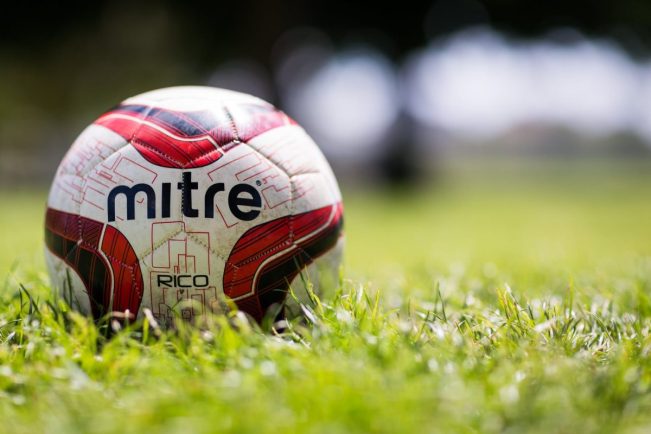
Football at the highest level is more than just a sport. It’s a way of life.
For decades, the world’s most famous players live under bright lights, surrounded by millions of fans, their identities defined by what they achieved on the pitch.
They’re also at the heart of the betting world, inspiring countless predictions from fans and bettors alike, many of whom use promo codes like the ones available on Legalbet.kz to place their wagers and back their favourites.
But when the final whistle blows for good, many of these football players face a difficult question: who are they without the game? Some find new purpose in business, charity, or coaching, while others struggle to adjust to the silence that follows fame.
The transition from professional sport to “normal” life is rarely easy. The structure, discipline, and attention that football provides can disappear overnight. Some players prepare for that moment years in advance — studying, investing, and building careers off the pitch, while others find themselves completely unprepared.
From David Beckham’s global empire to Ronaldinho’s unpredictable adventures, from Didier Drogba’s humanitarian projects to Andrey Arshavin’s quiet family life — the post-football journeys of famous players are often just as captivating as their years on the field.
From the Pitch to Business and Media
David Beckham’s name still evokes elegance, ambition, and precision. After memorable seasons with Manchester United, Real Madrid, LA Galaxy, and Paris Saint-Germain, he successfully transformed his fame into a business empire. Beckham became a co-owner of Inter Miami CF in Major League Soccer, launched fashion and fragrance lines, and remained deeply involved in charity through the UNICEF 7 Fund. His family life is equally well-known: married to designer and former Spice Girl Victoria Beckham, the couple are parents to four children.
Gary Lineker, who shone for Leicester City, Tottenham Hotspur, and Barcelona, chose a career in television. His BBC show Match of the Day turned him into one of Britain’s most respected broadcasters. Lineker is also known for his humanitarian work and outspoken social advocacy.
Rio Ferdinand (a Manchester United legend) and Jamie Carragher (Liverpool) became leading pundits for Sky Sports and BT Sport, admired for their sharp insight and engaging commentary. They don’t just analyse games. They shape how millions of viewers think about football.
One of the most unusual reinventions came from Mathieu Flamini, a former midfielder for Arsenal and AC Milan. He co-founded GF Biochemicals, a company producing eco-friendly chemical materials. Today, his fortune is estimated in the hundreds of millions, and not from football, but from science and innovation.
Unexpected Paths and Ordinary Lives
Some footballers took completely unexpected turns. Tim Wiese, former Werder Bremen goalkeeper and member of the German national team, shocked fans by becoming a professional wrestler in the WWE. His transformation into a muscular showman surprised even his old teammates.
Curtis Woodhouse, who played for Birmingham City and Sheffield United, became a professional boxer after football and even won the British light-welterweight title. Leon McKenzie, former Crystal Palace and Norwich City striker, also turned to boxing and later became a mental health advocate, openly discussing his battle with depression.
Arjan de Zeeuw, a Dutch defender known for his time at Wigan Athletic and Portsmouth, pursued a completely different path after football. He became a police detective in the Netherlands. Meanwhile, Thomas Gravesen, the fiery Danish midfielder who played for Everton and Real Madrid, moved to Las Vegas, where he now plays poker professionally and invests in real estate.
Others chose quieter, more modest lives. Chris Waddle, former star of Marseille and Tottenham, opened a youth football academy. Many retired players now work as coaches, PE teachers, or gym owners. Their names may have disappeared from the headlines, but their passion for the game remains as strong as ever.
Struggles, Comebacks, and Personal Growth
Not all stories end in success. Gerd Müller, the legendary Bayern Munich striker, battled alcoholism and Alzheimer’s after retirement. His club stood by him, offering him a coaching position in the youth academy — a role that gave him renewed purpose and dignity.
Ronaldinho, the genius of Barcelona and AC Milan, faced financial troubles and legal issues, including an arrest in Paraguay for using a fake passport. Yet despite everything, he remains adored worldwide. Today he plays in charity matches, records music, and inspires young players across Brazil.
Didier Drogba, the iconic striker for Chelsea FC and the Ivory Coast national team, chose to devote himself to social causes. After football, he became a UN Peace Ambassador, launched the Didier Drogba Foundation, and helped build schools and hospitals across Africa. He now plays an active role in African football administration.
In Russia, Andrey Arshavin, who starred for Zenit Saint Petersburg and Arsenal, opted for a calm, private life. He now works in youth development and focuses on his family, staying away from media attention. Roman Pavlyuchenko, who played for Tottenham Hotspur and Lokomotiv Moscow, remains close to football, participating in charity matches and television shows while maintaining a connection with fans.
International organisations such as FIFPro and UEFA’s Career Transition Programme help players adapt to life after retirement, providing education, financial guidance, and psychological support. These programmes reduce the risk of post-career crises and help athletes find new direction and stability.
Never Be Afraid to Start Over
The stories of retired footballers reveal how unpredictable life beyond the game can be. Some turn their fame into thriving businesses, others dedicate themselves to charity, and some simply enjoy quiet family lives away from the spotlight.
But together, they all prove one thing: you should never be afraid to start over. Even when a familiar chapter ends, there is always room for reinvention. Football teaches not only how to win, but how to get back up after defeat. And if global icons can rebuild their lives and find new passions, then anyone can. The end of one journey is never truly the end. It’s just the beginning of another.