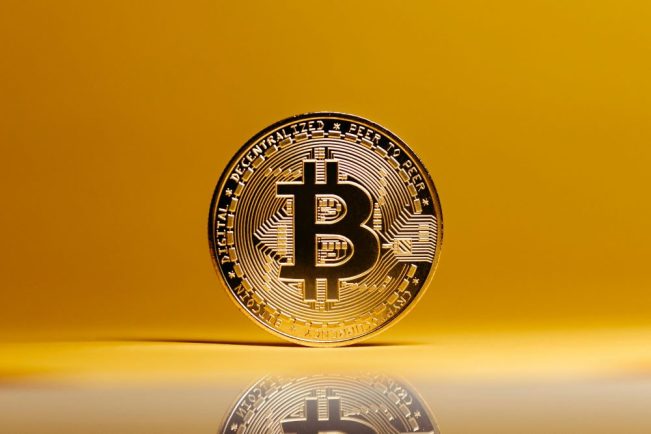
BITCOIN has long been seen as digital gold, valued for scarcity and decentralization. Tokenization of assets like Treasury bills and real estate has mostly happened on other blockchains. That is now changing. Developers and institutions are bringing real-world assets onto Bitcoin, using its security and liquidity. This shift expands Bitcoin’s role from passive holding to active settlement. This blog explores why this move matters and what it means for investors.
1. Bitcoin’s Security as the Ultimate Settlement Layer
The movement of real-world assets onto Bitcoin is driven first and foremost by security considerations. Bitcoin’s proof‑of‑work consensus mechanism is maintained by immense computational power distributed globally. It represents the most battle‑tested and decentralized security model in existence.
Placing asset representation on a network with a flawless record of uptime and resistance to attack provides a level of assurance that newer, less established chains cannot match. This security advantage becomes particularly significant when considering the long-term horizons associated with real-world assets.
A commercial property or government bond may remain in circulation for decades, requiring a settlement layer that will endure and remain secure across that entire span. While other chains experiment with consensus models and governance structures, Bitcoin continues operating exactly as designed, providing the stability that asset issuers require when moving tangible value onto digital rails.
2. Programmability Arrives Through Layered Solutions
Bitcoin’s deliberate design simplicity, long criticized for limiting its functionality, is now being overcome through layered protocols that extend capability without compromising base layer security. Technologies such as RGB, Taproot Assets, and other second‑layer solutions enable the issuance and transfer of assets representing real‑world value.
Final settlement is then anchored to the Bitcoin blockchain. These approaches separate the functions of asset logic and ultimate settlement, allowing for complex financial instruments to exist without bloating the base layer.
The implications for asset liquidity are substantial. When a real estate holding or Treasury position becomes representable as a token on Bitcoin, it gains the potential for near-instantaneous transfer and fractionalization that traditional markets struggle to provide.
Investors looking to participate in this ecosystem can learn how to get Bitcoin in the UK on Kraken, a platform that bridges traditional fiat currency with the digital asset class while maintaining regulatory compliance and user accessibility.
3. Portfolio Implications and New Yield Opportunities
The intersection of Bitcoin and real-life assets has significant implications for building a portfolio. Investors who traditionally wanted to be exposed to both digital and conventional investments kept them separate, and there was a lack of interoperability between the two.
Tokenized real-world assets on Bitcoin collapse this distinction. It allows investors to hold diversified exposure within a single, self-custodied wallet. A single private key can control Bitcoin alongside representations of government securities, private credit, or commodity inventories.
This simplifies management while reducing counterparty risk. This development also introduces yield opportunities within the Bitcoin ecosystem that previously did not exist. Tokenized real-world assets representing interest-bearing instruments can generate returns while settled on the same secure ledger. Maturing infrastructure transforms Bitcoin from money into a versatile financial platform.
Endnote
The shift toward onboarding real-life assets onto Bitcoin is another milestone in the evolution of crypto. Bitcoin now offers financial tools while keeping its security and decentralization. This provides investors with easier access, lower risk, and new yield opportunities.
Article written by Abdullah Khan
Abdullah Khan is a fintech and digital assets writer specializing in Bitcoin, tokenization, and emerging blockchain infrastructure. He explores the intersection of real-world assets and decentralized finance, breaking down complex financial concepts into clear, investor-focused insights.