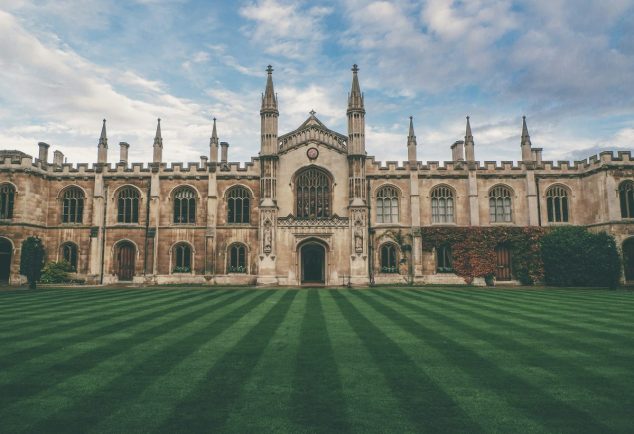
Balancing Student Life and Community Needs
Introduction: A Shared Space Under Pressure
University towns like Leamington Spa, closely connected to institutions such as the University of Warwick, are dynamic environments where student life and local community interests intersect. While students bring energy, diversity, and economic activity, their presence can also create tensions around housing, noise, and infrastructure.
The challenge lies not in choosing between students and residents, but in finding a sustainable balance that allows both groups to thrive. This requires thoughtful planning, effective policy, and a shared commitment to coexistence.
The Economic Impact of Students on Local Communities
A Vital Contribution to Local Economies
Students play a significant role in supporting local economies. Their spending sustains businesses, from cafes and supermarkets to transport services and entertainment venues.
In towns like Leamington, student demand has helped:
- Revitalize local retail and hospitality sectors
- Support job creation
- Increase overall economic activity
Seasonal Economic Patterns
However, student-driven economies often experience fluctuations:
- Peak activity during term time
- Reduced demand during holidays
This creates both opportunities and challenges for local businesses.
Expert Commentary
Economist Dr. Helen Carter explains:
“Students act as an economic engine for many towns, but reliance on student spending can create vulnerability during off-peak periods.”
Housing Pressures and Affordability
Competition for Rental Properties
One of the most significant points of tension is housing. Students often compete with local residents for rental properties, particularly in areas close to transport links and amenities.
The Rise of HMOs
Houses in Multiple Occupation (HMOs) have become increasingly common in student areas. While they provide necessary accommodation, they can also:
- Reduce the availability of family housing
- Alter neighbourhood dynamics
- Increase property prices
Impact on Residents
Long-term residents may feel displaced as neighbourhoods shift toward student-dominated housing. This can affect community cohesion and perceptions of stability.
Noise, Lifestyle, and Social Tensions
Differences in Daily Rhythms
Students and long-term residents often have different lifestyles. Late-night socializing, parties, and irregular schedules can create friction in otherwise quiet neighbourhoods.
Managing Expectations
Local councils and universities have introduced initiatives to address these issues, including:
- Noise awareness campaigns
- Community liaison programs
- Codes of conduct for students
Real-World Perspective
Resident feedback frequently highlights the importance of communication. When expectations are clearly set, conflicts can be reduced significantly.
Infrastructure and Public Services
Increased Demand on Local Resources
A growing student population places additional pressure on infrastructure, including:
- Public transport
- Waste collection services
- Healthcare facilities
Planning for Growth
Effective urban planning is essential to accommodate both students and residents. This includes:
- Expanding transport capacity
- Investing in public services
- Ensuring adequate housing supply
Expert Insight
Urban planner James Whitfield notes:
“Student populations must be factored into long-term planning. Ignoring their impact leads to overstretched services and community tension.”
The Role of Universities in Community Integration
Beyond Education
Universities have a responsibility that extends beyond academic provision. They play a key role in fostering positive relationships between students and local communities.
Community Engagement Initiatives
Successful initiatives include:
- Volunteer programs
- Local partnerships
- Community events involving students and residents
These efforts help bridge the gap between transient and permanent populations.
Digital Tools and Modern Student Life
Technology as a Connector
Today’s students rely heavily on digital tools for learning, communication, and daily tasks. This digital integration can also support community engagement.
In many cases, students use platforms that allow them to collaborate, seek advice, and solve problems efficiently. Whether organizing events or managing academic workloads, tools like Overchat – chat with AI reflect how technology is becoming embedded in modern student life.
Opportunities for Community Integration
Digital platforms can also:
- Facilitate communication between students and residents
- Support local initiatives
- Improve access to information
Social Integration and Community Building
Breaking Down Barriers
A key challenge is overcoming the perception of students as temporary outsiders. Encouraging interaction between students and residents can foster mutual understanding.
Shared Spaces and Activities
Examples of successful integration include:
- Community events
- Shared public spaces
- Collaborative projects
These initiatives create opportunities for meaningful interaction.
Policy and Regulation: Finding the Right Balance
Local Authority Strategies
Councils play a critical role in managing the relationship between student populations and communities. Policies may include:
- Licensing requirements for HMOs
- Planning restrictions
- Community engagement programs
The Need for Collaboration
Effective policy requires collaboration between:
- Local authorities
- Universities
- Residents
- Students
Without coordination, efforts to address challenges may fall short.
The Student Perspective: Challenges and Responsibilities
Living in the Community
Students themselves face challenges, including:
- Finding affordable housing
- Balancing academic and social life
- Integrating into unfamiliar environments
Responsibility and Awareness
Encouraging responsible behaviour is essential. Universities often promote:
- Respect for neighbours
- Awareness of local norms
- Community participation
Student unions also play a role in promoting positive engagement.
Long-Term Implications for Town Identity
A Changing Urban Landscape
As student populations grow, towns like Leamington evolve. This can lead to:
- Increased cultural diversity
- Economic growth
- Shifts in community identity
Preserving Balance
The key question is how to maintain the character of a town while embracing change. This requires careful planning and ongoing dialogue.
Conclusion: Toward a Sustainable Coexistence
Balancing student life and community needs is a complex but achievable goal. It requires recognizing the value that both groups bring while addressing the challenges that arise from their coexistence.
Students contribute significantly to local economies, culture, and vibrancy. At the same time, residents provide stability, history, and continuity.
The most successful communities are those that foster collaboration rather than conflict—where students and residents see themselves as part of a shared environment.
Ultimately, the future of towns like Leamington depends on their ability to create inclusive spaces where everyone can thrive.
Article written by Evelina Brown