More than 40,000 pupils have left private schools since the Government introduced VAT on school fees, according to new analysis, raising questions about the impact on families, schools and the wider education system.
The figures suggest the number of children leaving independent schools is significantly higher than the Government originally forecast when it introduced a 20 per cent VAT charge on private school fees in January 2025.
Labour argued the policy would raise money to help improve state education and fund thousands of additional teachers. Ministers estimated that around 14,000 pupils would move from private to state schools as a result.
However, analysis of official data suggests more than 43,000 pupils have left mainstream independent schools since the policy was introduced, more than three times the original estimate.
The figures also show that at least 47 private schools closed during the 2025-26 academic year, the first full academic year after the VAT changes came into effect.
Critics argue the policy has hit smaller and more affordable independent schools hardest, rather than the country’s most prestigious and expensive institutions.
While pupil numbers have fallen across the education system because of declining birth rates, the reduction in private school enrolment has been substantially greater than the overall decline.
Some of the biggest falls have been recorded among younger children in nursery and preparatory education, while independent sixth forms have also seen a drop in student numbers.
School leaders say the VAT charge has added to existing financial pressures, including inflation and the removal of charitable business rates relief for private schools.
Many schools have warned that rising costs are forcing difficult decisions, including reductions in bursaries and scholarships designed to help children from less affluent backgrounds access independent education.
Julie Robinson, chief executive of the Independent Schools Council, said the figures appeared to confirm concerns that recent policy changes would place additional pressure on schools and families already facing financial challenges.
Opponents of the policy argue that it has failed to target the wealthiest families and instead placed the greatest burden on middle-income parents who make significant financial sacrifices to send their children to independent schools.
Questions have also been raised about Labour’s pledge to fund 6,500 additional teachers through the policy.
Recent government figures showed an overall reduction in teacher numbers compared with the previous year. Ministers say they remain on track to meet their recruitment targets and point to increases in some parts of the education workforce.
The Government has defended the VAT policy, arguing that private schools have long been beyond the reach of most families and that the additional revenue is helping to support state education.
However, with tens of thousands more pupils entering the state sector than originally forecast and dozens of schools closing, critics say the policy is placing additional pressure on local schools while failing to deliver the outcomes Labour promised.
What do you think? Has the policy improved fairness in education, or is it putting additional pressure on families and schools? We’d like to hear from parents, teachers and school leaders across our area. Please email [email protected]
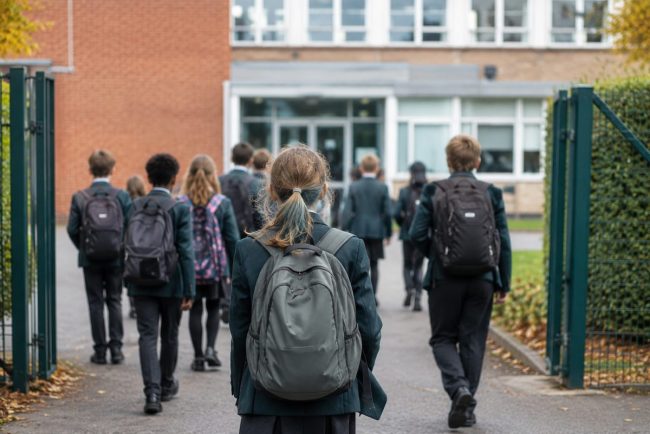
Main Image: For illustration purposes only.