Growing numbers of savers are facing substantial tax bills on the interest earned from their bank accounts, according to newly released figures.
Data obtained through a Freedom of Information request shows that 144,000 people are expected to pay £5,000 or more in tax on their savings interest during the 2026-27 tax year. That compares with 52,700 people in 2022-23.
The increase comes as higher interest rates have boosted returns for savers, while tax-free savings allowances have remained unchanged for a decade.
Official figures suggest that more than 2.7 million people will pay tax on their savings income in 2026-27, up from 2.2 million in 2023-24.
Under current rules, basic-rate taxpayers can earn up to £1,000 in savings interest each year before paying tax, while higher-rate taxpayers receive a £500 allowance. Additional-rate taxpayers do not receive a personal savings allowance.
The allowances were introduced in 2016 and have not increased since then.
Financial experts say the combination of rising interest rates and frozen thresholds means more people are being drawn into paying tax on their savings.
Further changes are due from April 2027, when tax rates on savings income are expected to rise by two percentage points.
The Government has also announced plans to reduce the annual cash ISA allowance for savers under the age of 65 from £20,000 to £12,000. Ministers say the move is designed to encourage greater investment in stocks and shares, which have historically delivered stronger long-term returns.
However, industry figures have warned that the reduction could leave savers with fewer opportunities to shelter their money from tax.
The Treasury has said that the overall £20,000 tax-free ISA limit will remain in place and stressed that existing savings held within cash ISAs will not be affected.
A spokesman said the majority of savers would continue to pay no tax on their savings and that officials were working with the financial sector on the detailed implementation of the changes.
The figures are likely to be of interest to many households across the country, particularly those who have benefited from higher savings rates in recent years but may now find themselves facing an unexpected tax bill.
What Savers Can Do
Financial experts recommend that savers regularly review their accounts to ensure they are making full use of available tax-free allowances.
Some steps that may help include:
• Maximise ISA allowances where possible, as interest earned within an ISA remains tax-free.
• Use both partners’ allowances. Married couples and civil partners can often reduce tax exposure by spreading savings between accounts held in each name.
• Monitor interest earnings throughout the year, particularly if you have large cash balances or benefit from higher savings rates.
• Consider fixed-rate accounts carefully, as higher returns could push some savers above their Personal Savings Allowance.
• Check HMRC calculations if you receive a tax demand relating to savings interest, especially if some savings are held in tax-free ISA accounts.
• Seek independent financial advice if you have significant savings and are unsure how changes to tax rules may affect you.
Experts also advise savers not to keep more cash than necessary in low-interest accounts and to review their savings arrangements regularly to ensure they continue to meet their financial goals.
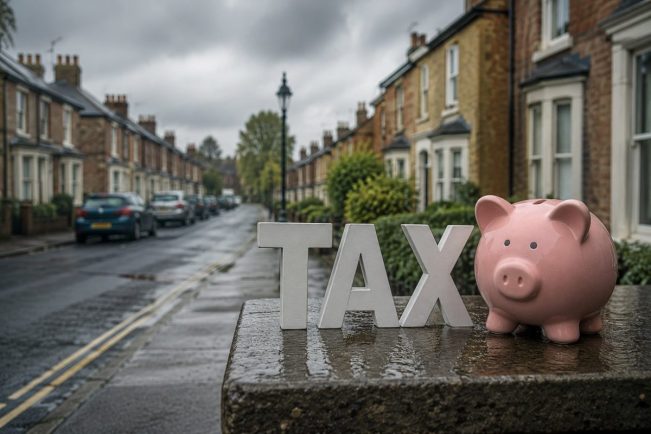
Main Image: For illustration purposes only.