People are being urged to remain vigilant after experts warned of a rise in sightings of the oak processionary moth (OPM), an invasive species whose caterpillars can pose risks to both human and animal health.
The warning follows reports from councils and environmental authorities across England, as warmer weather has contributed to an increase in the number of nests and caterpillar sightings.
The Forestry Commission has said conditions this year have been favourable for the insects, leading to growing concern about their spread into new areas. Government agencies are continuing to monitor affected locations and have urged the public to report suspected sightings.
Oak processionary moth caterpillars were accidentally introduced into England from mainland Europe on imported oak trees in 2006. Since then, the species has gradually spread to other parts of the country.
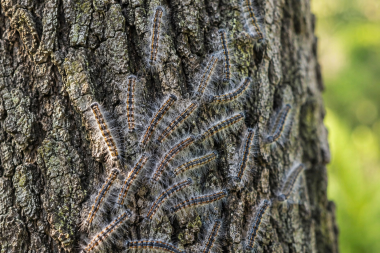 According to Forest Research, external, OPM nests and caterpillars are a hazard to human and animal health.
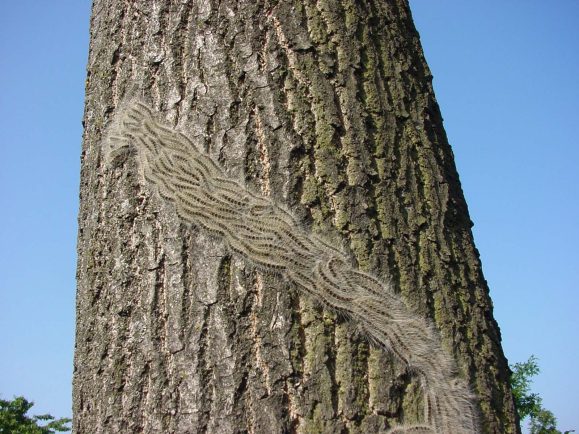
The caterpillars are most commonly seen during late spring and early summer and are easily recognised by their distinctive behaviour. They often travel in long nose-to-tail lines, giving rise to their name. They have dark heads, grey bodies and long white hairs running along their backs.
The insects feed on oak leaves and build distinctive silk-like nests on the trunks and branches of oak trees. These nests can vary greatly in size, ranging from something as small as a 50p coin to as large as a melon.
While the caterpillars can damage oak trees, the greater concern is the potential impact on health.
According to Forest Research, the caterpillars are covered in thousands of tiny toxic hairs which contain a protein capable of causing irritation and allergic reactions. Contact with the hairs, or inhaling them, can lead to itchy skin rashes, sore throats, eye irritation and breathing difficulties.
Health officials have also warned that, in rare cases, exposure may trigger more serious allergic reactions.
The hairs can become airborne when the caterpillars are disturbed and may be carried by the wind, settling on clothing, grass, tree bark and other surfaces.
Children, pet owners, people working near oak trees and anyone spending time in affected areas are considered most at risk. Livestock and wildlife can also be affected.
Experts stress that anyone who spots suspected oak processionary moth caterpillars or nests should not approach, touch or attempt to remove them.
Parents are being encouraged to teach children to avoid the insects, while dog owners should keep pets away from infested trees.
Anyone who experiences skin irritation, eye problems or breathing difficulties after possible contact should seek medical advice. Minor symptoms may be treated by a pharmacist, while more serious reactions should be assessed through NHS 111 or by a doctor.
Suspected sightings can be reported through Forest Research’s TreeAlert service, which allows members of the public to submit photographs and locations for assessment by specialists. However, people are advised not to risk close contact in order to obtain photographs.
With the insects becoming more widespread, experts say awareness remains the best defence.
Learning to recognise the caterpillars and their nests, particularly when spending time in parks, woodlands and the countryside during the summer months, can help reduce the risk of accidental exposure.
If you think you have spotted an OPM nest or caterpillars, please report it to Forest Research via its TreeAlert service.
A public information leaflet covering key facts, identification and control of OPM is available here.