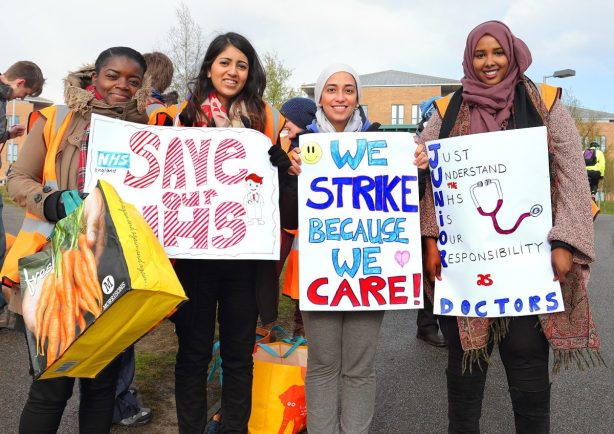
Fresh industrial action by resident doctors has plunged the NHS into further disruption, with the total cost of strikes now exceeding £3 billion over recent years and rising.
The latest six-day walkout, beginning at 7am on Tuesday, marks at least the fourth round of strikes since Labour took office in July 2024, despite repeated promises to resolve the dispute. Health officials estimate the action will cost a further £300 million, adding to an already staggering financial burden on the health service.
Analysis suggests the cumulative cost, now approaching £3.2 billion, could have funded around 1.5 million operations or 15 million outpatient appointments, underscoring the scale of the impact on patients.
Despite this, the British Medical Association rejected a government deal that would have left resident doctors 35 per cent better off than four years ago, and notably chose not to put the offer to its members.
Health Secretary Wes Streeting admitted the government had reached its limits in negotiations, stating:
“This Government was prepared to compromise with the BMA, but there’s only so far we can bend before we snap.”
He added that the deal on the table was “a fair deal that many were willing to accept”, but warned that strike action had been deliberately timed “to cause maximum disruption, at a cost now running into the billions”.
“That’s billions of pounds taken away from patients… leaving millions in pain, unable to access support because of strikes,” he said.
Each day of industrial action is estimated to cost around £50 million, while senior NHS leaders have warned the dispute could drag on. Sir Jim Mackey, head of NHS England, has already told hospital leaders to prepare for a “long slog”.
The consequences are being felt across the system. Planned operations and appointments are being cancelled, while senior doctors are being redeployed to cover emergency care. Although ministers say around 95 per cent of appointments are still going ahead, disruption remains widespread.
There are also growing concerns about the conduct and timing of the strikes. NHS officials have suggested the walkouts were deliberately scheduled after the Easter bank holiday to maximise pressure. Some doctors have reportedly welcomed the timing, noting it allows for extended time off.
Deputy NHS chief Glen Burley said:
“It feels like it’s trying to push maximum harm, and we will try to make sure that doesn’t happen.”
The rejected deal included pay rises, faster career progression and the creation of 4,000 additional specialist training posts. The first 1,000 of those positions, due this summer, have now been scrapped due to lack of time and funding.
Meanwhile, NHS leaders have raised alarm over “extortionate” rates demanded for strike cover, with some senior doctors earning more than £2,200 for a 12-hour shift, and over £3,700 for night work.
The government’s handling of the dispute has drawn sharp criticism, with opponents accusing it of weakness and mismanagement. After months of negotiations, ministers have failed to resolve the standoff, leaving patients to bear the consequences.
Polling suggests public patience is wearing thin, with a majority now opposing the strikes.
The Conservatives have taken a markedly tougher stance, declaring:
“Soldiers can’t strike. The police can’t strike. Neither should doctors. The next Conservative government will ban these strikes, for good.”
For patients whose follow-up care after a stroke has been repeatedly delayed, the political wrangling offers little comfort. “I’m very worried. I hope I don’t have a full stroke before I am seen” said one patient.
With both sides entrenched and no agreement in sight, the NHS faces continued disruption, mounting costs and growing public frustration, while ministers struggle to regain control of a crisis increasingly seen as slipping through their hands.
The NHS is keen to remind patients they should attend planned appointments unless they have been contacted to reschedule. GP practices, NHS 111 and urgent and emergency care services will continue to be available during the strike period.