WIMBLEDON has kept many of its customs for well over a century, and that continuity is a large part of why the tournament stands apart. From the dress code to the food, the final at the All England Club looks much as it did decades ago.
Those traditions hold even as the modern side of the event grows. By the second week, the Wimbledon odds 2026 and the global coverage sit alongside customs that date back to the 1800s. Few sporting events balance the old and the new quite like this.
In this article, we run through the traditions that give Wimbledon its identity.
All in white
The all-white clothing rule is the strictest in tennis. Players must wear almost entirely white kit, with off-white and cream not accepted. The rule dates back to the Victorian era, when visible sweat was frowned upon, and it has caused the odd dispute over the years. The code covers shoes and undergarments too, and players have occasionally been asked to change items that showed too much colour. It remains one of the clearest markers of the tournament.
There is an exception for female players, however. In 2023, female players were given permission to wear dark coloured shorts underneath their traditional all-white outfits to make them feel more comfortable, especially during menstrual cycles.
Strawberries and cream
Strawberries and cream have been served at Wimbledon since the early days of the Championships. Spectators get through around 2 million strawberries across the fortnight, served with thousands of litres of cream. The fruit is grown in Kent and delivered to the grounds each morning of play. The pairing is now as closely linked to the event as the tennis.
The grass and the setting
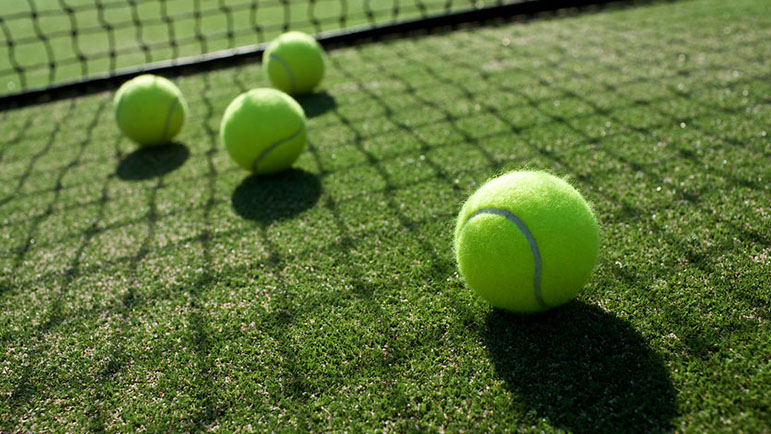
Wimbledon is the only Grand Slam still played on grass, the surface the sport began on. The courts are cut to a set height and reseeded each year, using a hard-wearing ryegrass chosen to cope with two weeks of heavy use. Combined with the low-key advertising, the green setting gives the final a look that the other majors cannot match.
Royal patronage
The All England Club has a long tie to the royal family, and a senior royal usually presents the trophies on finals weekend. The royal box on Centre Court seats invited guests throughout the fortnight, another custom that marks the tournament out from the other three Grand Slams.
The trophies
The men’s champion lifts the Gentlemen’s Singles Trophy, a silver gilt cup awarded since 1887 and topped with a small gold pineapple. The women’s champion receives the Venus Rosewater Dish, a silver salver first presented in 1886. Both are handed over on Centre Court at the close of the final.
The Queue
Few major tournaments still sell same-day tickets the way Wimbledon does. The Queue, written with a capital Q by the club, lets fans camp overnight for the chance to buy entry on the day. It is one of the last links to the event’s amateur past, and the act of queuing has become part of the Wimbledon experience for many fans.
These customs are why the closing weekend feels different from any other final in the sport. Form and the tennis odds draw plenty of attention, but the setting and its traditions are what give the occasion its lasting pull, and what keep drawing fans back to south-west London each summer.
Article by Craig Linton