Central heating is something most of us take for granted until it stops working or we move into our first home and realise we don’t actually understand how it all functions. Whether you’re a first-time homeowner, a tenant wanting to understand your heating system better, or simply someone who’s never quite grasped what’s happening behind those radiators, this guide will demystify the basics of UK central heating systems.
Understanding how your heating works isn’t just about satisfying curiosity. It can help you use your system more efficiently, spot potential problems early, and make informed decisions when repairs or replacements become necessary. Let’s break down the essential components and processes that keep your home warm throughout those chilly British months.
How Central Heating Actually Works
At its core, a central heating system is remarkably straightforward. A boiler heats water, which is then pumped through pipes to radiators positioned throughout your home. These radiators release heat into each room, warming the air and creating a comfortable living environment. The cooled water returns to the boiler to be reheated, and the cycle continues.
The beauty of this system is that heat is generated in one location (the boiler) but distributed evenly across your entire property. This is far more efficient than having individual heaters in each room, both in terms of energy usage and running costs. Most UK homes use what’s called a wet central heating system, where water is the medium carrying heat around your property.
The Boiler: Your System’s Heart
Your boiler is the most crucial component of your central heating system. It burns gas, oil, or uses electricity to heat water that circulates through your pipes and radiators. In the UK, gas combi boilers have become increasingly popular because they heat water on demand, eliminating the need for separate hot water tanks or cylinders.
There are three main boiler types you’ll encounter in UK homes.
1.Combi boilers provide both heating and hot water directly from the boiler itself.
2.System boilers require a cylinder to store hot water but don’t need a separate cold water tank.
3. Regular boilers (sometimes called conventional or heat-only boilers) need both a hot water cylinder and a cold water tank, typically found in older properties.
When considering boiler options or replacements, companies like iHeat specialise in modern, efficient heating solutions that can significantly reduce energy bills while improving home comfort. Choosing the right boiler type depends on your property size, hot water usage, and existing infrastructure.
Understanding Your Radiators
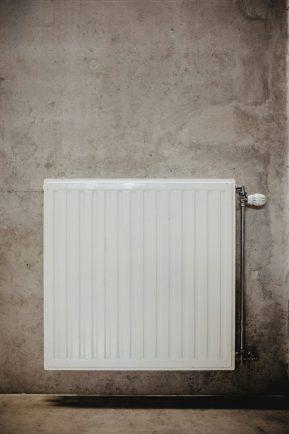
Radiators might seem simple, but they’re carefully designed to maximise heat transfer into your rooms. Despite the name, they actually work through a combination of radiation and convection. Heat radiates directly from the metal surface, while warm air rises from the radiator and circulates around the room through convection currents.
Each radiator typically has two valves. The lockshield valve (usually covered with a cap) controls water flow and is set during installation to balance your system. The thermostatic radiator valve (TRV) allows you to control the temperature in individual rooms. Understanding these valves helps you customise heating across your home, reducing energy waste in rooms you’re not using.
If radiators feel cold at the top but warm at the bottom, they likely need bleeding to release trapped air. This is simple maintenance you can perform yourself using a radiator key. Cold spots at the bottom might indicate sludge buildup, which requires professional attention.
Thermostats and Controls
Your thermostat is the brain directing your heating system. It monitors room temperature and signals the boiler to fire up when things get too cold, then switches it off once your desired temperature is reached. Modern programmable thermostats allow you to set different temperatures for different times of day, maximising comfort while minimising waste.
Many newer systems include smart thermostats that learn your habits, can be controlled remotely via smartphone apps, and provide detailed energy usage information. These convenient gadgets can genuinely reduce heating bills by ensuring you’re only heating your home when and where it’s needed.
Room thermostats should be positioned away from heat sources (like radiators or direct sunlight) and draughts, typically in hallways or living areas. Incorrect positioning can cause your system to behave erratically, constantly overshooting or undershooting your target temperature.
System Pressure and Circulation
Central heating systems are pressurised to ensure water circulates efficiently throughout your home. Most systems operate between 1 and 2 bar of pressure, which you can check on the pressure gauge usually located on your boiler. If pressure drops too low, your system won’t work properly; too high, and the pressure relief valve will activate.
The pump, typically located near or within your boiler, circulates heated water through your system. You might occasionally hear it running, which is completely normal. However, unusual noises like banging, clanking, or whistling can indicate problems such as airlocks, pump issues, or scale buildup that need addressing.
Understanding these basics helps you recognise when your system is operating normally versus when something requires professional attention. Simple pressure checks take seconds but can prevent you from experiencing unexpected heating failures during cold spells.
Getting the Most from Your System
Now that you understand the fundamentals, you’re better equipped to use your central heating efficiently and recognise when maintenance is needed. Regular servicing by qualified engineers keeps your system running safely and efficiently, potentially preventing expensive breakdowns and extending your boiler’s lifespan.
Don’t be intimidated by your heating system. While complex repairs require professionals, understanding these basics empowers you to make informed decisions about your home comfort, troubleshoot minor issues, and communicate effectively with heating engineers when problems arise. With this knowledge, you’ll stay warmer and more comfortable throughout the year while keeping your energy bills under control.
This is a submitted article written by Lydia White.