“TWIXMAS” is a modern British term for the quiet, in-between days from December 26 to December 31.
Other cultures don’t usually use the word Twixmas, but many have long-standing traditions for this same “between holidays” period.
Here are some of the most notable:
Germany and Austria – Zeit zwischen den Jahren
Literally “the time between the years,” this period is seen as reflective and a bit mystical.
Many people visit family, relax, and avoid work.
Old folk customs include Rauhnächte (the “Rough Nights”) – 12 mystical nights with traditions like burning incense to “cleanse” the home.
Some avoid doing laundry or major chores due to old superstitions.
Scandinavia – “Romjul” (Norway)/Mellandagarna” (Sweden)
A time for rest, visiting relatives, eating leftovers, and spending time outdoors.
Many offices close or run reduced hours.
Norwegians often go skiing. Swedes enjoy sales similar to Boxing Day promotions.
Spain – Between Navidad and Reyes
This is an active, festive period leading up to Three Kings’ Day (January 6).
Families go out to enjoy holiday lights, markets, and parades.
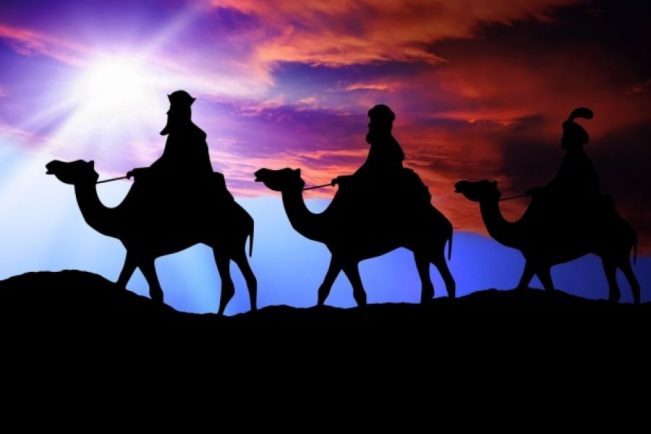
Children are excitedly anticipating gifts from the Three Kings.
Italy – Between Natale and Capodanno
The “in-between” days are used for long meals, visiting family, and gift exchanges.
Many people rest before the big celebration of New Year’s Eve (Capodanno).
Some regions maintain folk traditions, such as bonfires or fortune rituals.
Greece – The Dodekaímero (12 days of Christmas)
Considered a continuous festive season from December 25 to January 6.
Traditions include carols, parties, church services, and folklore about mischievous goblins (kallikántzari) said to roam during these days.
Japan – Ōmisoka Prep Period
Japan doesn’t celebrate Christmas religiously, but the days between December 26 to December 30 are crucial for deep house-cleaning (ōsōji), preparing osechi (New Year’s food), traveling to visit family, and wrapping up the year’s business before Shōgatsu (New Year).
China – Not a major festival period
As Christmas isn’t traditionally celebrated, the days between December 26 and December 31 are mostly normal workdays.
Young people may still enjoy Christmas sales or Western-style decorations.
The big festivities instead cluster around Lunar New Year, usually in late January or February.
Latin America – Post-Christmas Posadas to Día de Reyes
In many Latin American countries, the Christmas season extends until January 6.
Families enjoy leftovers, gatherings, and community events.
Many places host fiestas, fireworks, and holiday markets.
Children anticipate gifts from the Three Wise Men.
United States and Canada
While not formally named “Twixmas,” the week between Christmas and New Year is widely understood as a time for relaxation, shopping returns, travel, and informal family gatherings.
Many offices shut down or run half-capacity.