WARWICK District Council is leading by example in the fight against climate change.
It was highest scoring local authority for climate action not only in Warwickshire, but across the Midlands, new statistics have revealed.
The council scored 53 per cent in newly published figures from Climate Emergency UK – the only comprehensive analysis of all UK councils’ climate action, ranking performance in categories including transport, buildings and heating and planning and land use.
It was the second edition of Climate Emergency UK’s Council Climate Action Scorecards and saw WDC rise
six percentage points on its score from 2023.
In the latest figures WDC was also more than ten points ahead of any other Warwickshire council. In the Midlands as a whole, only the West Midlands Combined Authority ranked more highly.
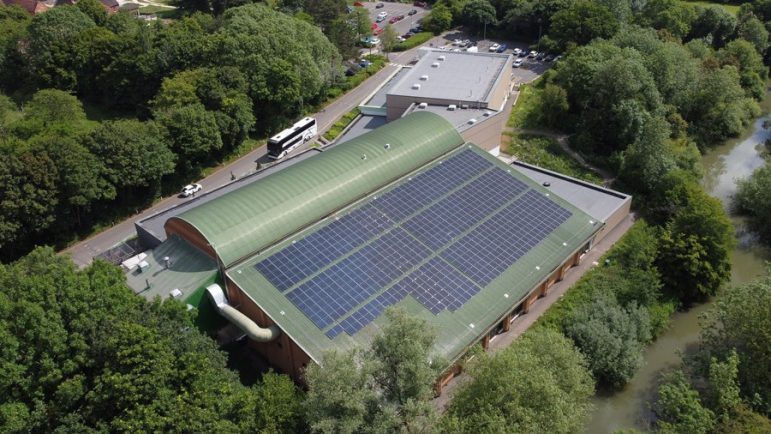
WDC’s top rating was down to various projects, including installing rooftop solar panels on Newbold Comyn Leisure Centre in Leamington; providing thermal imaging cameras for local community groups to loan to help residents understand their homes’ thermal efficiency; and fitting solar mats on the council’s 20 refuse and recycling HGVs, which work by powering a vehicle’s electrical components like the air conditioning and radio, reducing demand on the alternator and thus fuel consumption.
WDC also has a partnership with charity Act on Energy to offer residents free advice and support in areas such as energy efficiency grants, fuel bills and debt.
And across the district since 2023, 351 measures have been installed under Green Homes Grants, achieving more than £100,000 in energy bill savings per year for residents and saving 278 tonnes in carbon emissions.
WDC decarbonisation spokesman Coun Lowell Williams said: “We’re pleased that the council’s work on reducing carbon emissions in the district has been recognised by Climate Emergency UK.
“We have focused our efforts and resources on the areas that we can directly influence. I would like to thank the council officers who have worked incredibly hard to deliver our “low cost, low carbon” ambition – leading on projects to reduce emissions from our buildings and vehicles; supporting the community with advice, information and grants; and working collaboratively with partners, stakeholders and residents to achieve our ambitions. We will continue to build on this work over the coming years.”
The Scorecards are created by assessing councils according to a three-stage marking process, using publicly available data from council websites as well as national data and Freedom of Information responses from councils.