Electric vehicle owners will be required to undergo compulsory annual mileage checks as part of Rachel Reeves’ newly announced pay per mile tax system, according to Treasury consultation papers released following the Budget.
Under the plans, motorists will need to submit estimated yearly mileage when paying their road tax, and will then have that figure verified through official odometer readings.
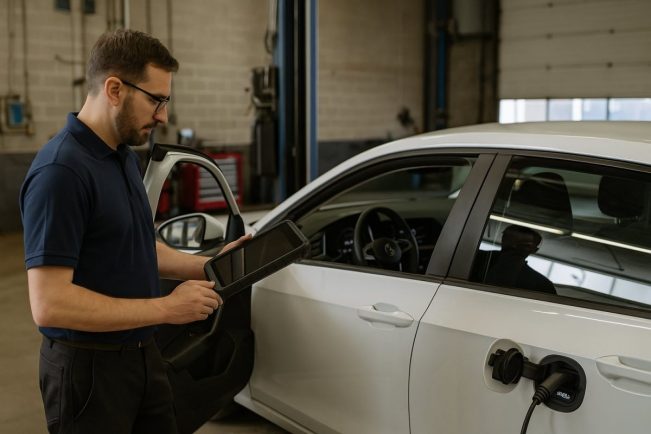
These checks will be carried out at MOT centres or accredited garages, and will apply even to vehicles that do not yet require an MOT, such as new cars in their first three years on the road.
The Treasury says drivers will not be charged for the extra visits, with the cost instead being covered by the Government.
New Tax Introduced to Replace Falling Fuel Duty Revenue
The pay per mile system, scheduled to begin in 2028, will see fully electric vehicle owners charged 3p per mile. Based on typical usage of 8,500 miles a year, the average EV driver would face an annual bill of about £255. Plug in hybrid drivers will be charged 1.5p per mile.
The policy is intended to compensate for declining fuel duty revenue as more motorists transition to electric vehicles.
Garages will be required to submit verified mileage readings directly to the DVLA, and if drivers have travelled more than originally reported, they will need to pay the difference the following year.
Extra Checks Required for New Vehicles
Although mileage verification will usually take place alongside MOTs, drivers of new electric vehicles will have to arrange separate checks on the first and second anniversaries of buying their car.
Downing Street confirmed:
“New cars will be required to have a light touch mileage check at an accredited provider around their first and second anniversary.”
The Prime Minister’s spokesman added:
“There’ll be no motorist charge for these additional checks that would be funded by the Government.”
This requirement is expected to create added administrative burdens for drivers and for those who frequently lease new vehicles, an arrangement often chosen specifically to avoid early years testing and inspections.
Reeves Unable to Explain How New Cars Will Be Monitored
The Chancellor was pressed on the matter during an appearance on BBC Breakfast. Asked how mileage would be tracked for new EVs in the first three years, Rachel Reeves did not provide details, saying:
“These changes come in in 2028, we’ve done that for a reason, to give time.”
When the presenter commented:
“We don’t know at this stage, is that right?”, Reeves responded, “That’s why we’ve said we’ll take time to get this right.”
Fears of Increased Odometer Tampering
The Government’s consultation acknowledges that the new tax system could lead to an increase in “clocking”, where drivers interfere with mileage readings.
The document warns:
“Mileage readings will be based on in-vehicle odometers, which are simple to read but can be subject to tampering.”
It states that about 2.3 per cent of UK vehicles already show signs of odometer fraud, despite the practice being a criminal offence.
Ministers say they are considering “new measures” to deter tampering as the pay per mile scheme is introduced.
Tax Will Apply to Miles Driven Abroad
The charge will apply even to miles accumulated outside the UK. This means motorists in Northern Ireland who regularly drive across the border into the Republic of Ireland will still pay the full rate.
The Government says annual odometer checks are preferable to alternative systems that could distinguish between domestic and overseas mileage, arguing that yearly checks offer the best protection for drivers’ privacy.
In the future, vehicles equipped with telematics may be able to submit mileage automatically to the DVLA, although the consultation makes clear that this would remain optional.
Impact on EV Sales
Although the Government has reiterated its commitment to banning the sale of new petrol and diesel cars in 2030, the Office for Budget Responsibility has warned that the new tax is likely to reduce electric vehicle uptake. The OBR estimates that EV sales will fall by 440,000 over the next five years as a result of the levy, although it says some pro EV measures in the Budget will partially offset this decline.